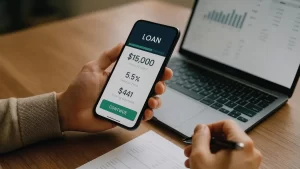
Life is unpredictable, and emergencies often arrive unannounced—whether it’s a sudden medical bill, urgent home repairs, or an unexpected travel requirement. In such critical situations, having quick financial support becomes essential. This is where personal loans come into play. Over the years, personal loans have evolved into one of the most accessible financial products for individuals looking for immediate monetary assistance.
In this blog post, we will explore the top 7 benefits of taking a personal loan for emergencies and why it can be one of the most reliable options when you need funds urgently. If you’re someone who wants clarity on how personal loans work in emergencies, this article will give you complete insights.
Understanding Personal Loans for Emergencies
A personal loan is an unsecured loan that you can borrow from a bank, NBFC, or online lending platform without pledging any collateral. These loans are specifically designed to provide quick financial relief for situations that demand urgent cash flow.
Unlike other types of loans that are restricted to certain uses (like home loans or car loans), a personal loan is versatile. Whether it’s a medical crisis, education expense, wedding, or travel emergency, a personal loan can be used to cover it all.
Websites like Loan Securely provide valuable resources and guides for individuals exploring personal loan options, helping borrowers make smarter financial decisions.
Top 7 Benefits of Taking a Personal Loan in Emergencies
1. Quick Access to Funds
Emergencies require immediate financial solutions. Unlike traditional loan processes that may take weeks, personal loans can often be approved and disbursed within 24–48 hours. Some lenders even provide instant approval with minimal documentation, making it highly convenient during emergencies.
This quick access ensures that you can manage sudden expenses without disrupting your savings or long-term investments.
2. No Need for Collateral
Unlike secured loans (such as gold loans or home loans), personal loans are unsecured, which means you don’t need to pledge your property, gold, or any other asset as security.
This makes it an excellent option for those who may not have assets to mortgage but still need financial support. The lack of collateral also reduces stress for borrowers during already stressful situations.
3. Flexible Repayment Options
Most lenders provide flexible repayment tenures ranging from 12 months to 60 months or even more. Borrowers can choose a repayment plan that aligns with their income and financial capacity.
This flexibility allows you to manage your loan without putting unnecessary pressure on your monthly budget. You can also prepay or foreclose the loan (in many cases) if you come into additional funds, reducing your overall interest burden.
4. Multipurpose Usage
One of the strongest benefits of a personal loan is its multipurpose nature. Unlike a car loan or a home loan, which are restricted to specific uses, a personal loan can cover:
- Medical emergencies
- Wedding expenses
- Home renovations or urgent repairs
- Education fees
- Travel expenses
- Debt consolidation
This versatility makes personal loans the go-to choice for emergencies where funds may be needed for multiple purposes.
5. Improves Credit Score with Timely Repayment
Taking a personal loan and repaying it responsibly can boost your credit score. For individuals with limited credit history, a personal loan provides an opportunity to build their credit profile.
A good credit score ensures easier access to future loans and credit cards with lower interest rates. In other words, personal loans not only help in emergencies but also support your long-term financial credibility.
6. Lower Interest Compared to Credit Cards
During emergencies, many people rely on credit cards for instant funds. However, credit cards often charge high interest rates (30–40% annually).
In contrast, personal loans usually have interest rates ranging between 10–20% per annum, depending on your credit score and lender. This significant difference in interest makes personal loans a smarter and more affordable choice for managing emergency expenses.
7. Convenient Online Application Process
With the advancement of digital banking, most lenders now provide a 100% online personal loan application process. From submitting documents to verifying details and receiving disbursement, everything can be done online.
This ease of application ensures that you don’t waste valuable time during emergencies. With just a few clicks, you can get funds transferred directly to your bank account.
When Should You Consider a Personal Loan for Emergencies?
While personal loans are beneficial, they should be used wisely. You should consider a personal loan in situations like:
- Urgent medical expenses
- Sudden travel requirements (domestic or international)
- Unexpected house or vehicle repairs
- Educational needs or exam fees
- Debt consolidation for high-interest credit cards
If managed responsibly, personal loans can provide instant relief without long-term financial stress.
Things to Keep in Mind Before Applying for a Personal Loan
Before applying for a personal loan during an emergency, consider these points:
- Check your credit score – Higher scores mean lower interest rates.
- Compare lenders – Always compare interest rates, processing fees, and tenure flexibility.
- Borrow only what you need – Don’t over-borrow, as it may become a burden.
- Understand repayment terms – Go through EMIs, prepayment, and foreclosure charges carefully.
- Choose reputed lenders – Platforms like Loan Securely can guide you to trustworthy financial institutions.
Conclusion
Emergencies demand immediate financial solutions, and personal loans are designed to provide exactly that. With benefits like quick approval, no collateral requirement, flexible repayment, multipurpose usage, and affordable interest rates, personal loans stand out as one of the most reliable financial tools for handling crises.
As personal loans continue to evolve, they are becoming more borrower-friendly, accessible, and faster than ever. Whether you are dealing with medical needs, travel, or urgent repairs, a personal loan can provide the much-needed support without jeopardizing your financial stability.
For more guidance and resources on choosing the right loan, you can explore financial blogs like Loan Securely, which provide expert advice tailored for borrowers.
FAQs
Can I get a personal loan instantly during an emergency?
Yes, many lenders offer instant approval and quick disbursement (within 24–48 hours) for personal loans, especially if you have a good credit score and proper documentation.
Do I need to provide collateral for a personal loan?
No, personal loans are unsecured loans, which means you don’t need to pledge any asset or collateral.
How much loan amount can I get in an emergency?
The loan amount depends on your credit score, income, and lender policies. Generally, you can borrow between ₹50,000 to ₹25,00,000.
Is a personal loan better than using a credit card in emergencies?
Yes. Credit cards have higher interest rates compared to personal loans. A personal loan is more cost-effective if you need to borrow a significant amount.
Will taking a personal loan affect my credit score?
Yes, it will. If you repay on time, it can improve your credit score. However, missed EMIs can negatively impact it.
Can I apply for a personal loan online?
Absolutely. Most banks and NBFCs provide a fully online application process, making it faster and easier to get funds during emergencies.